MUSIC & MORE
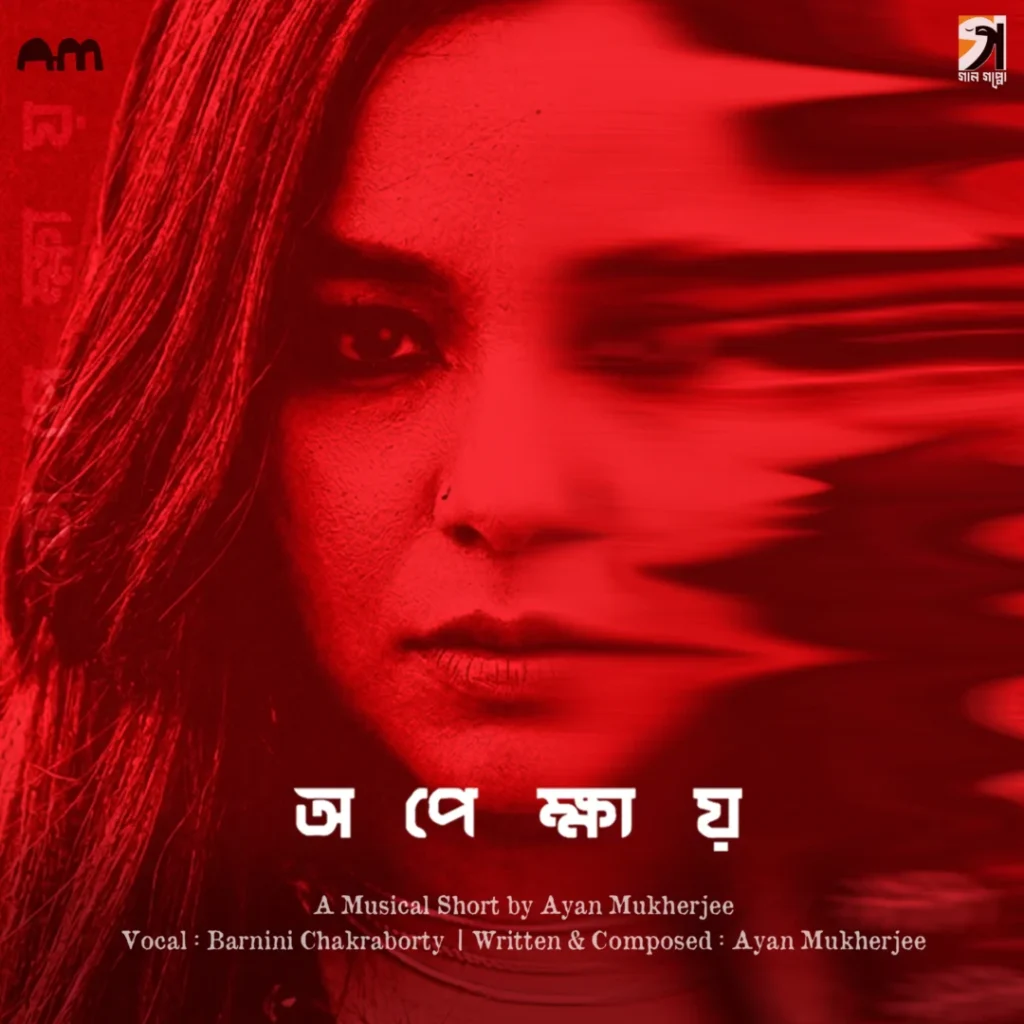
অপেক্ষায়!!!
অয়ন মুখার্জ্জী ।
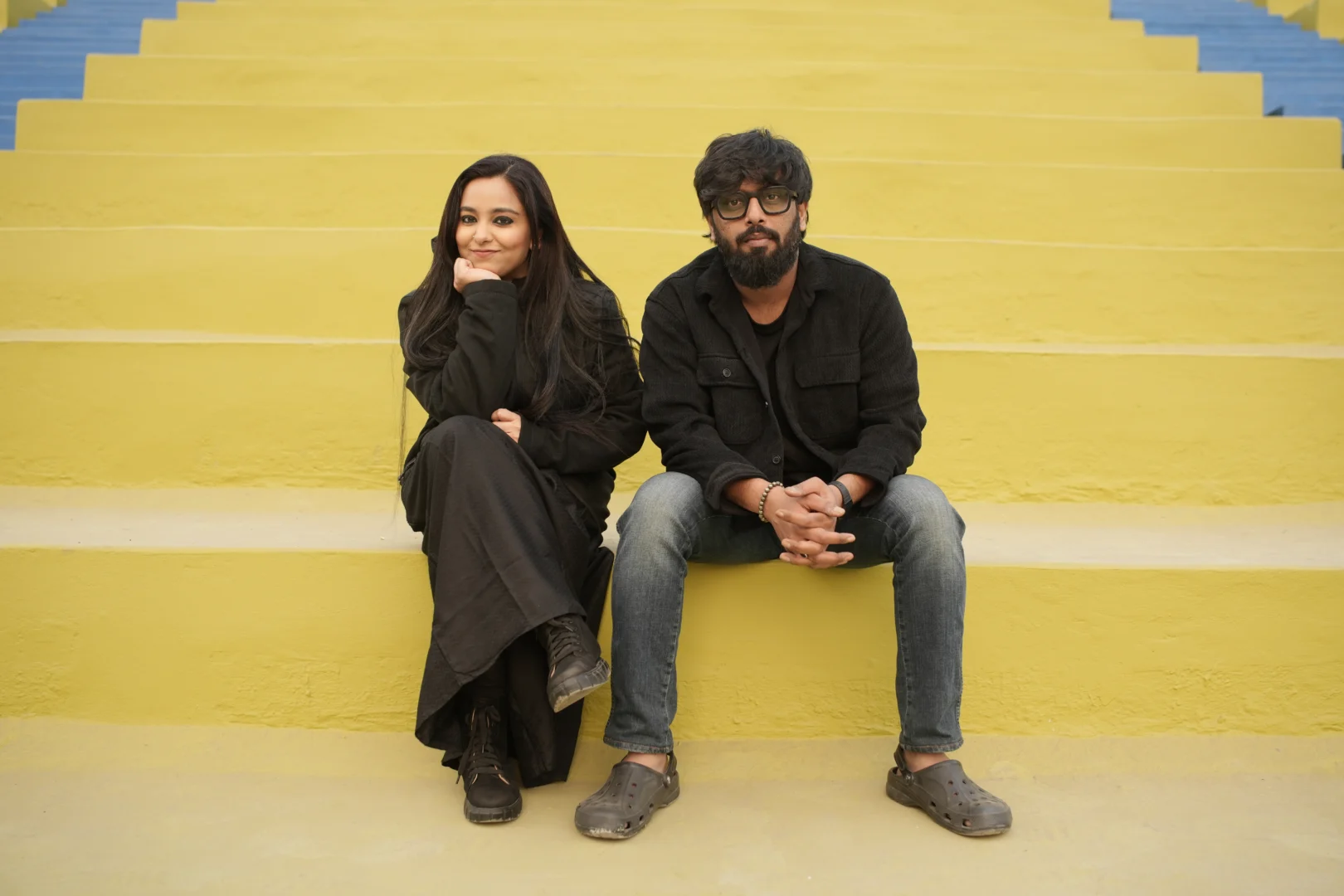
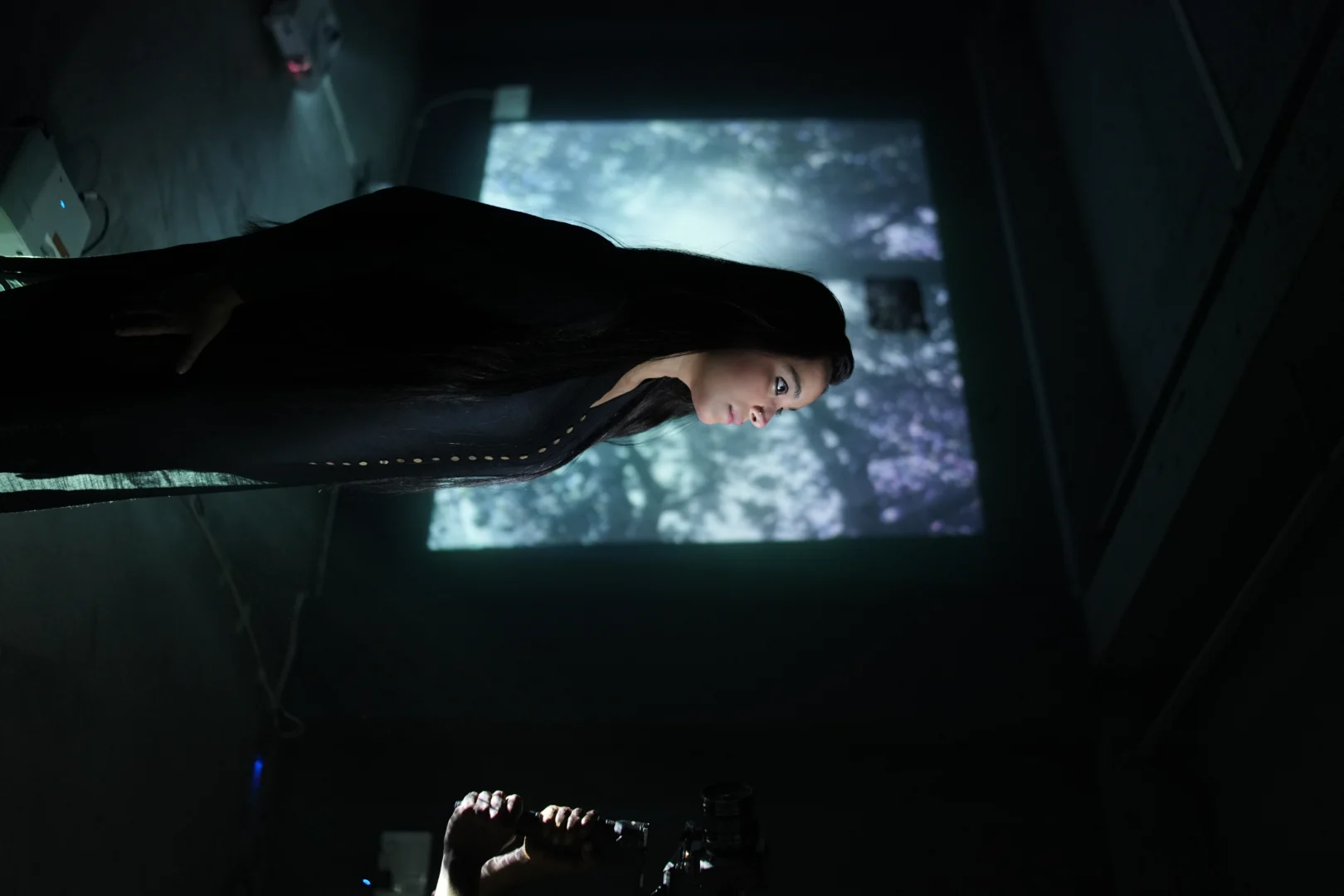
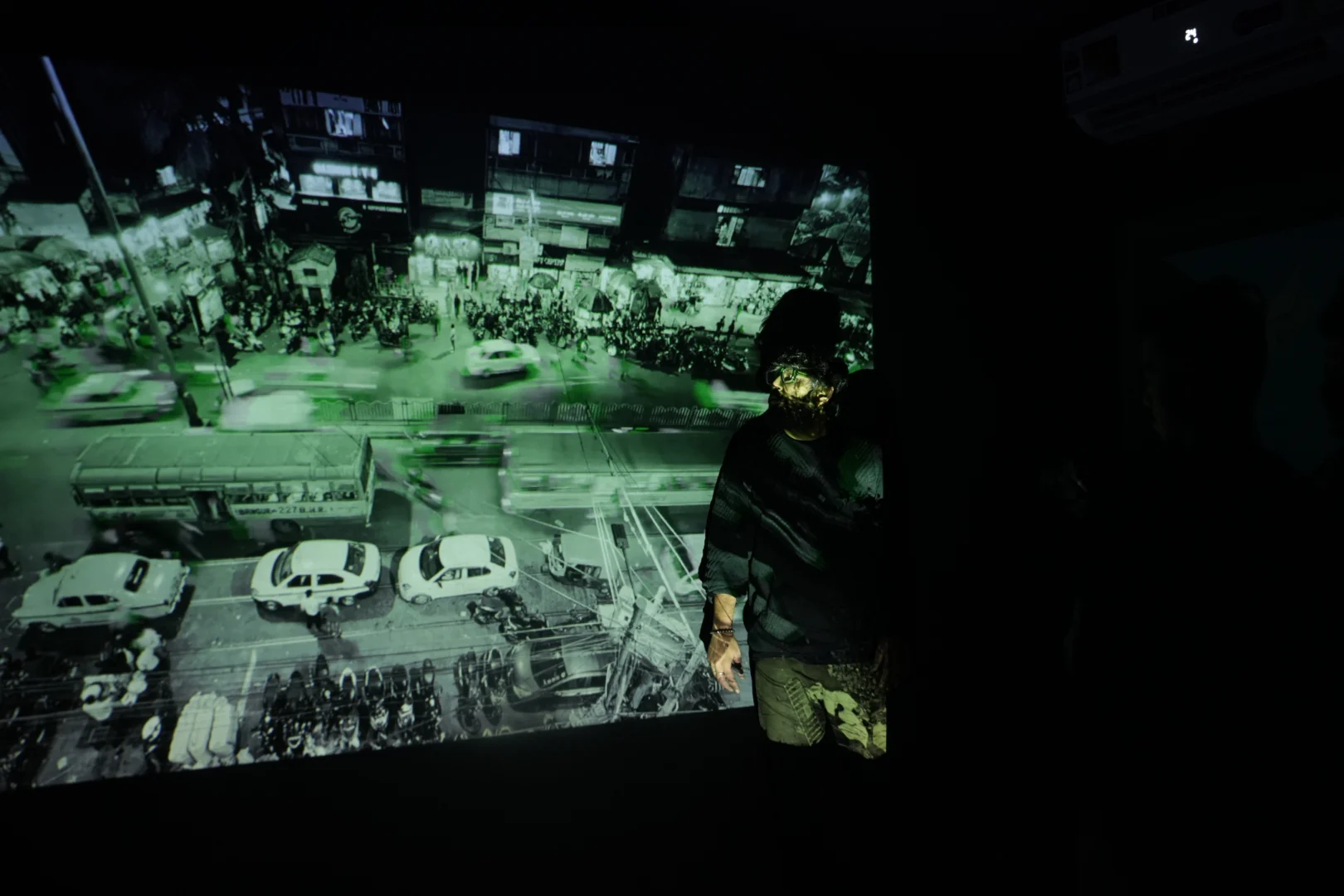
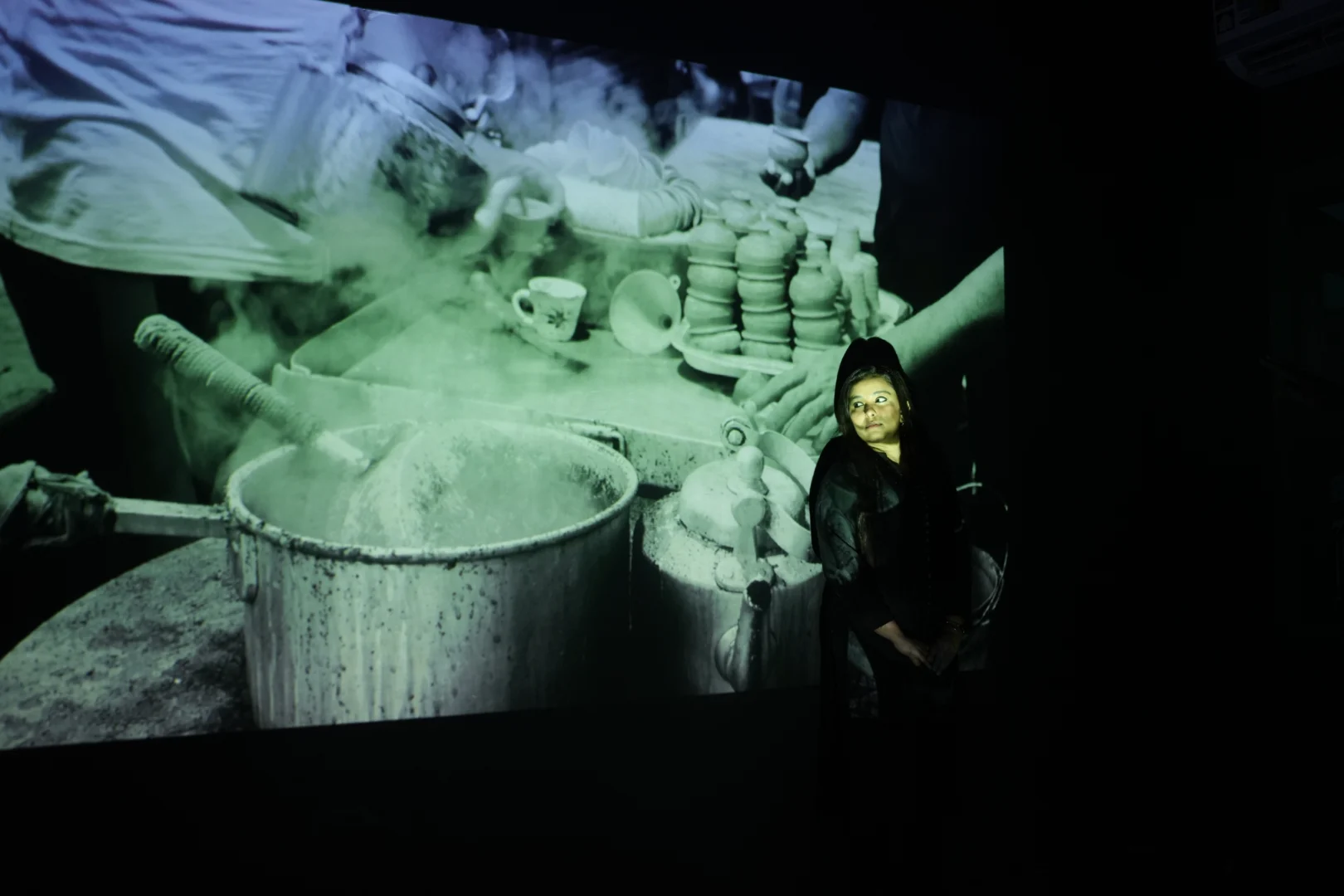
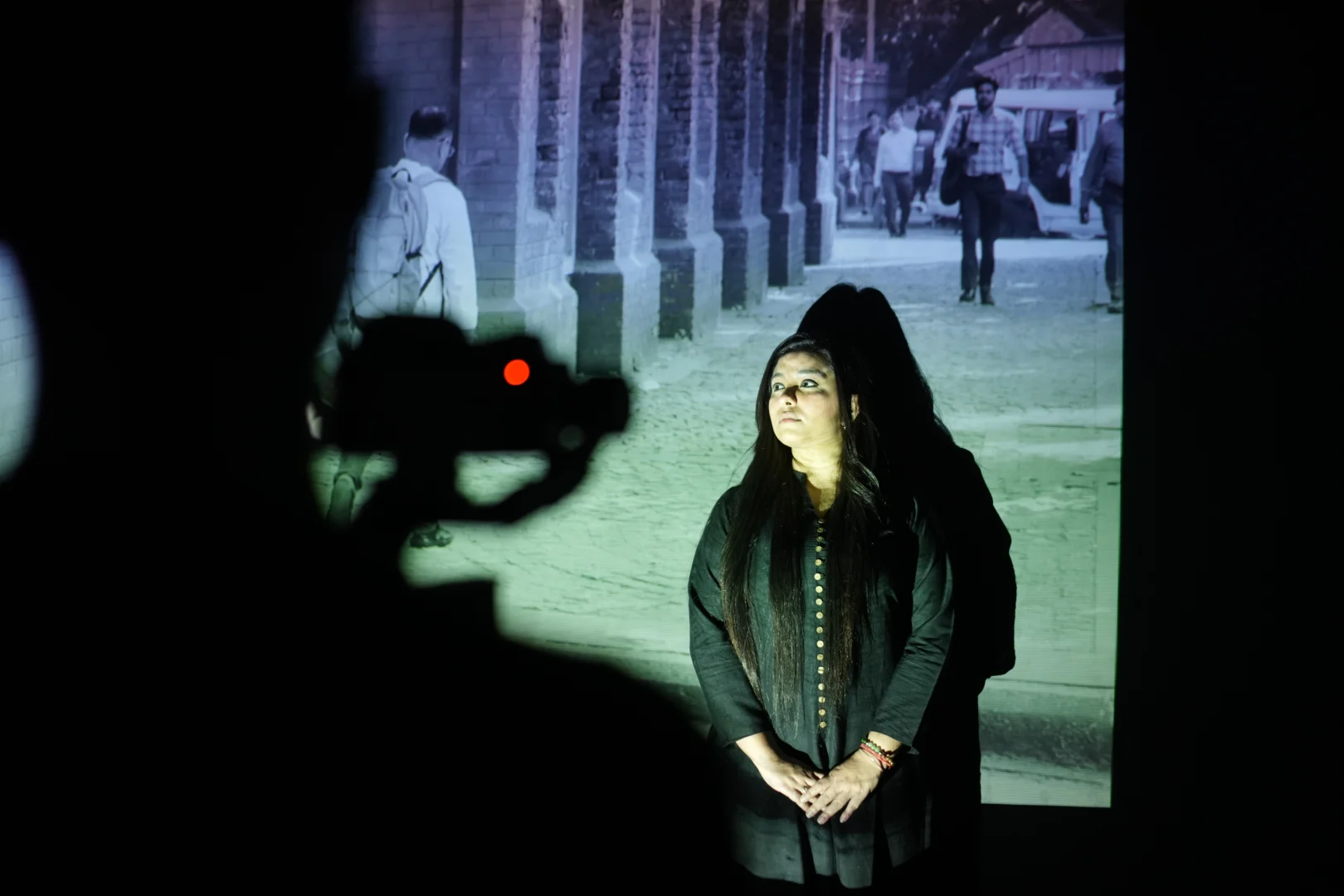
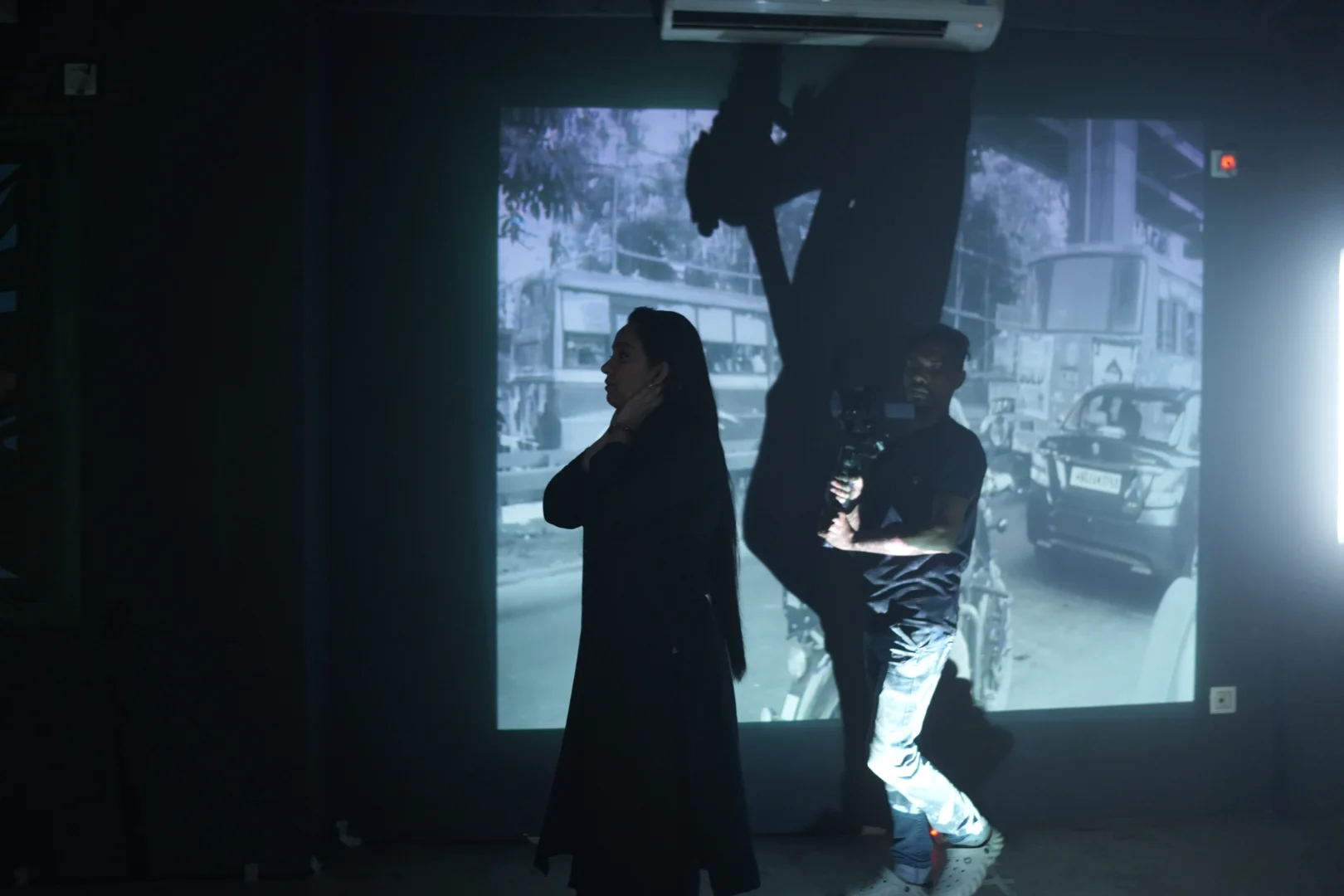
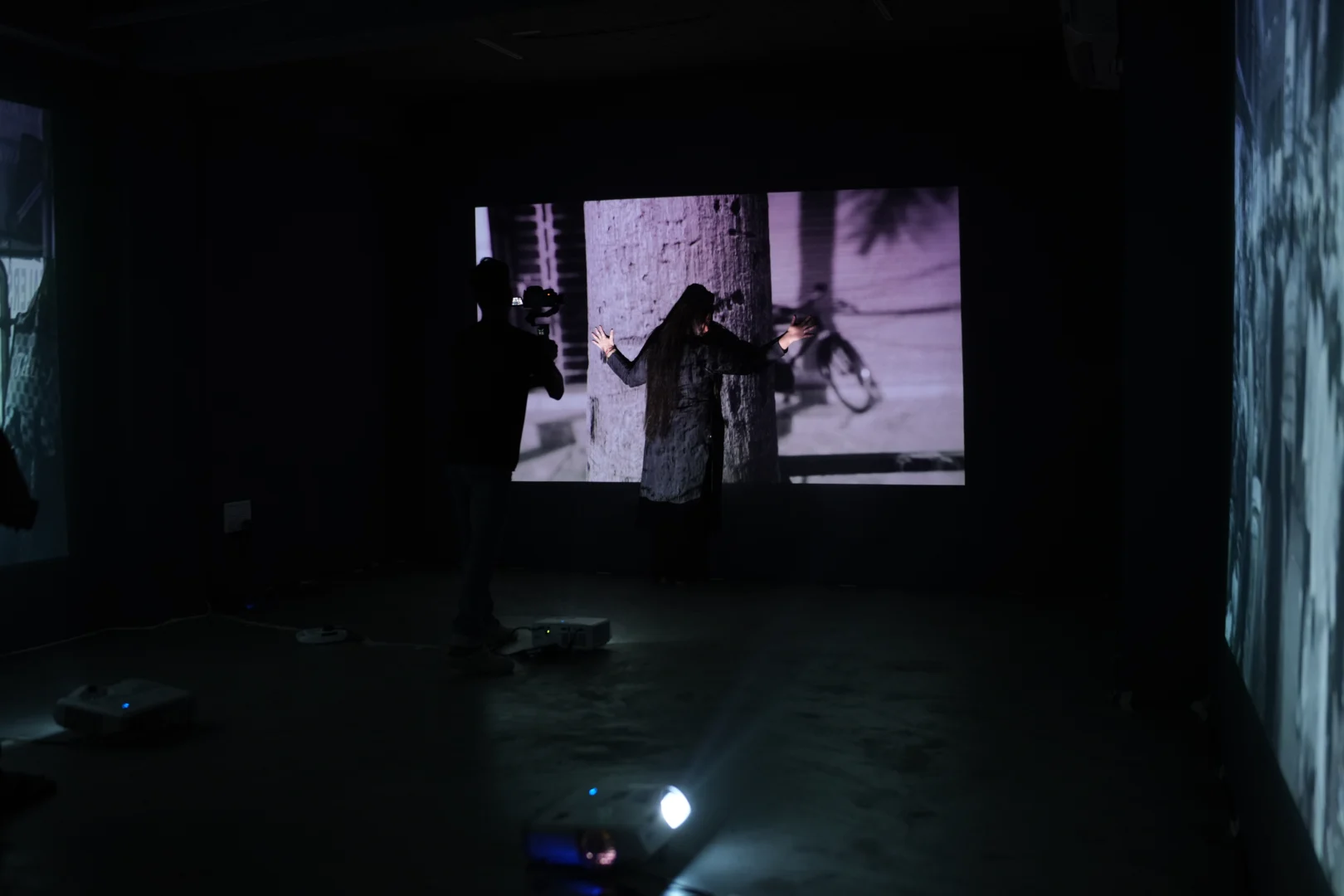
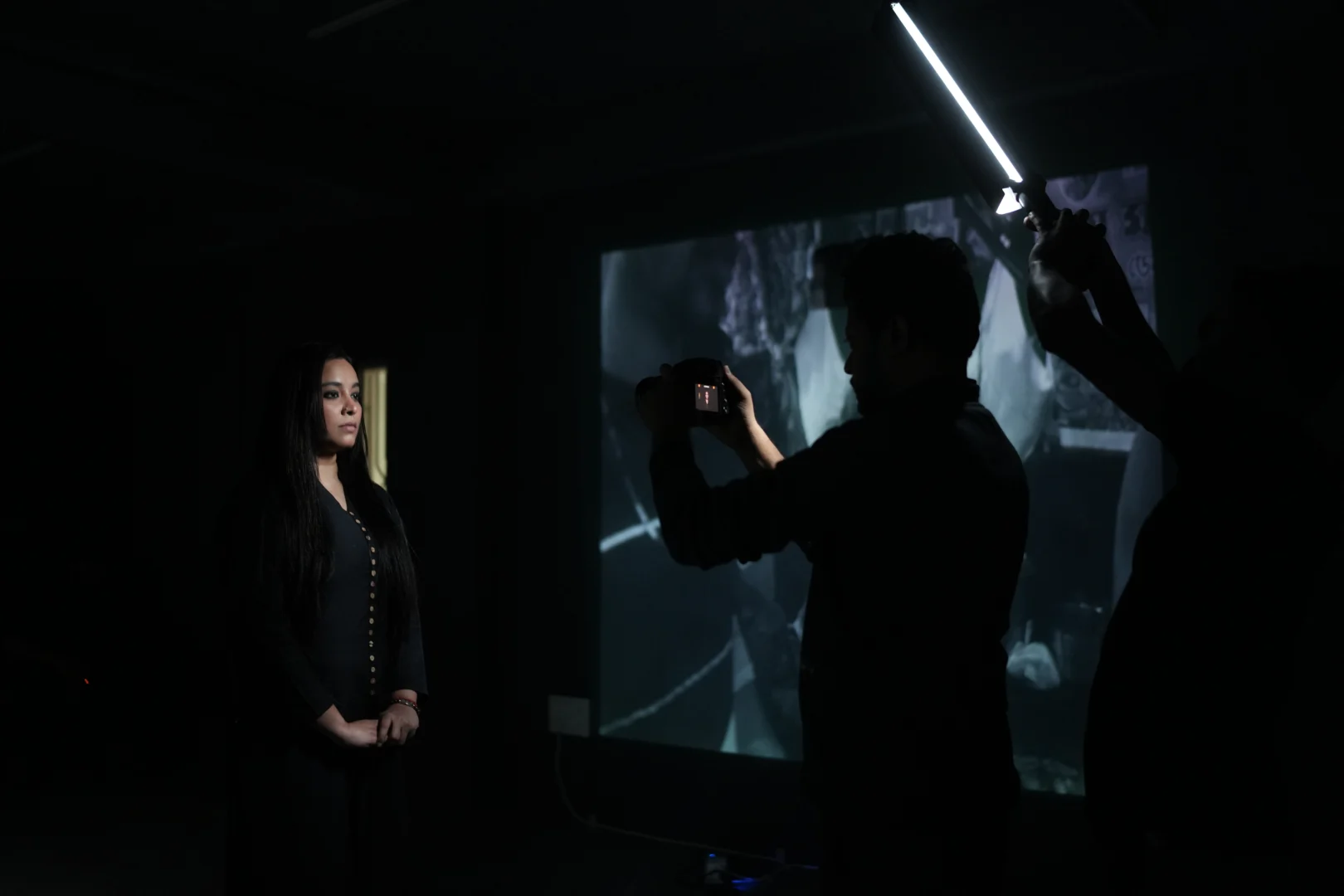
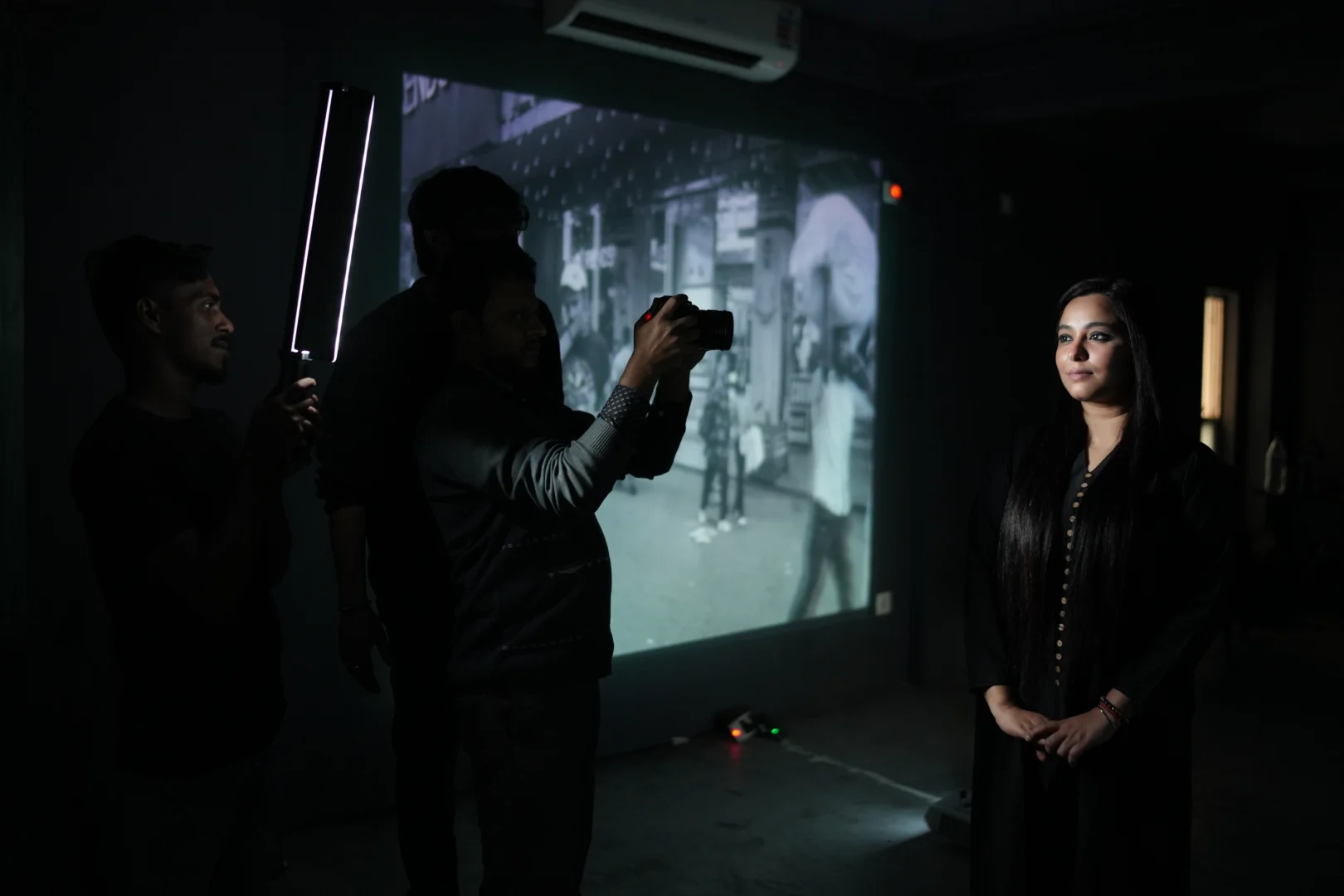
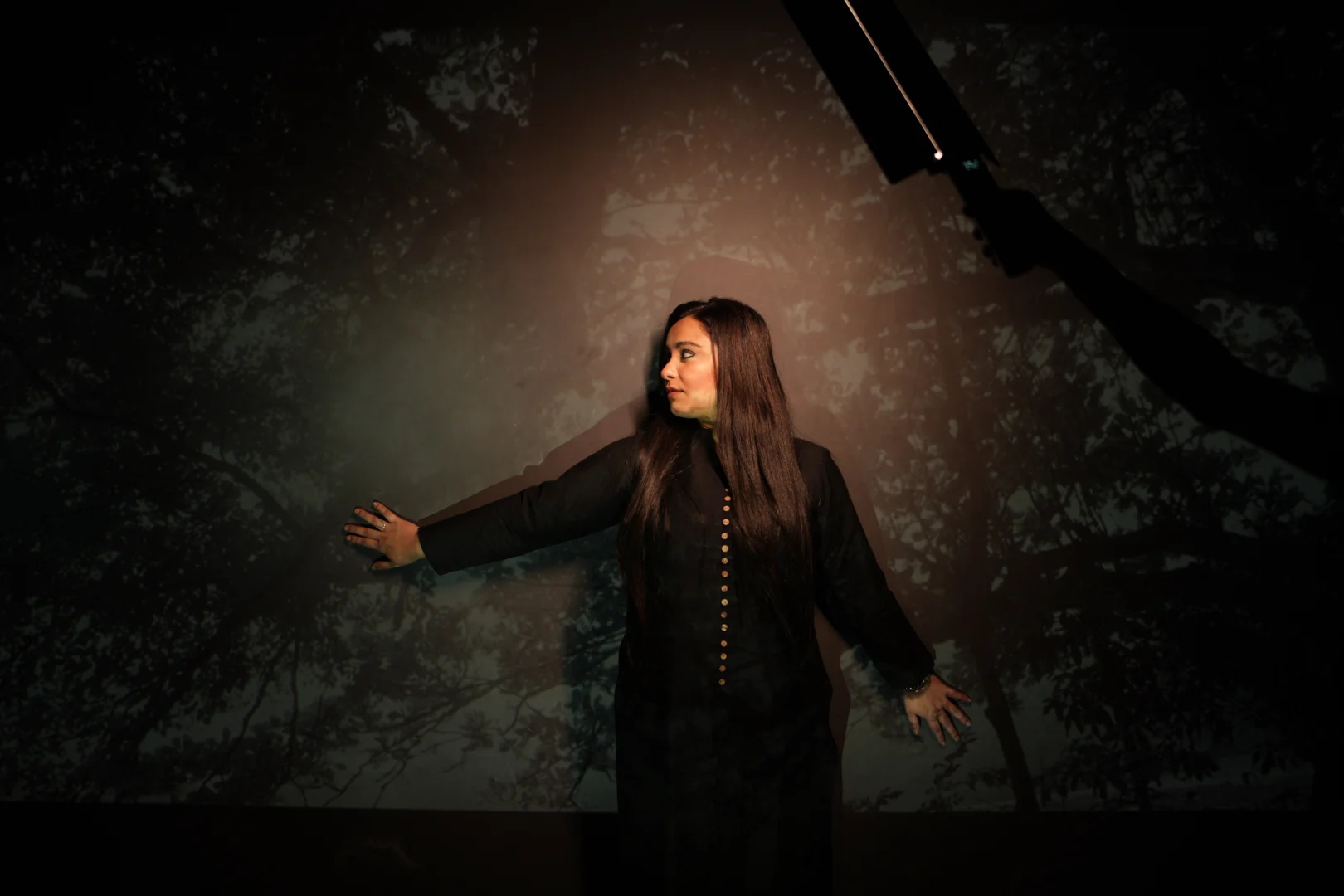
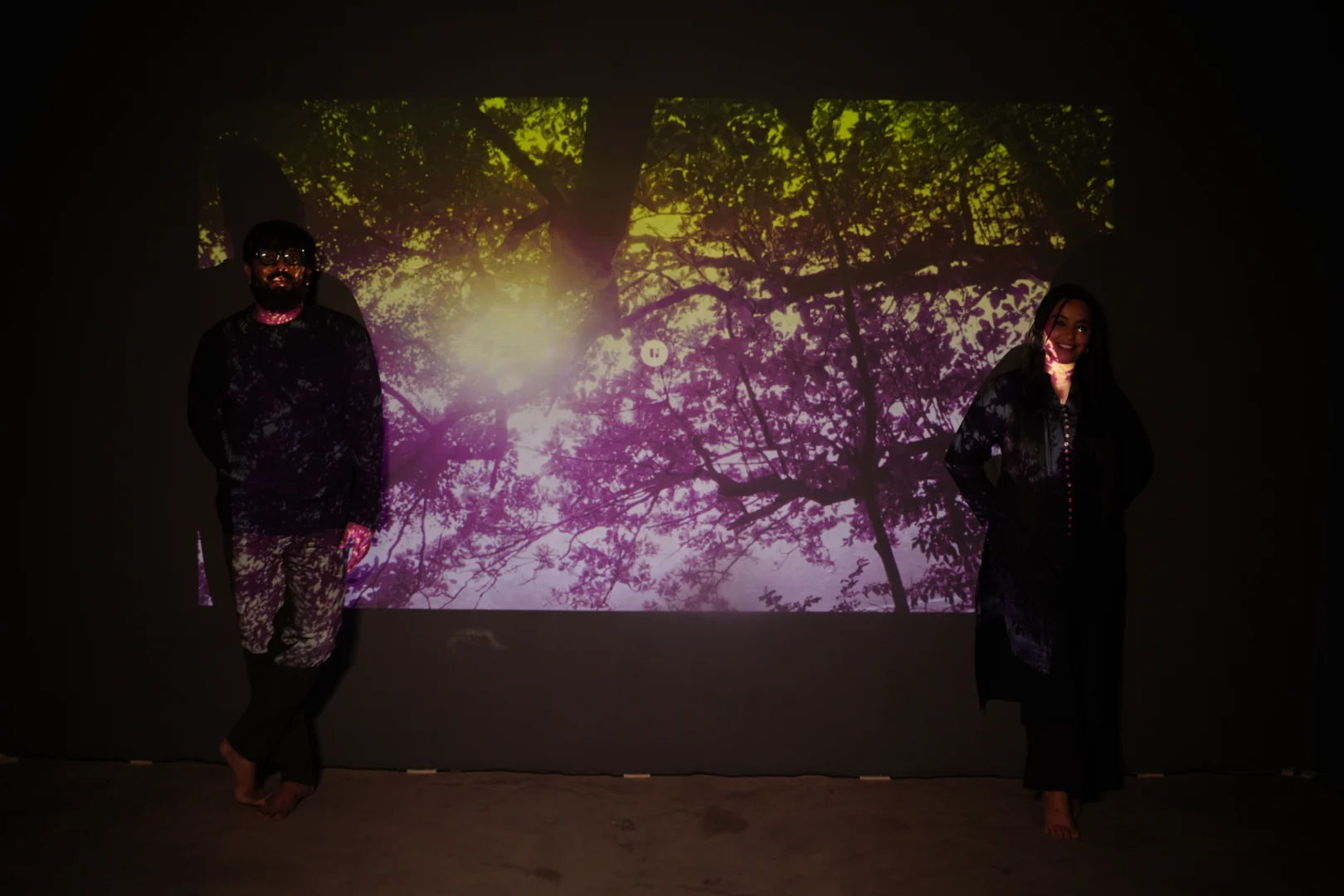
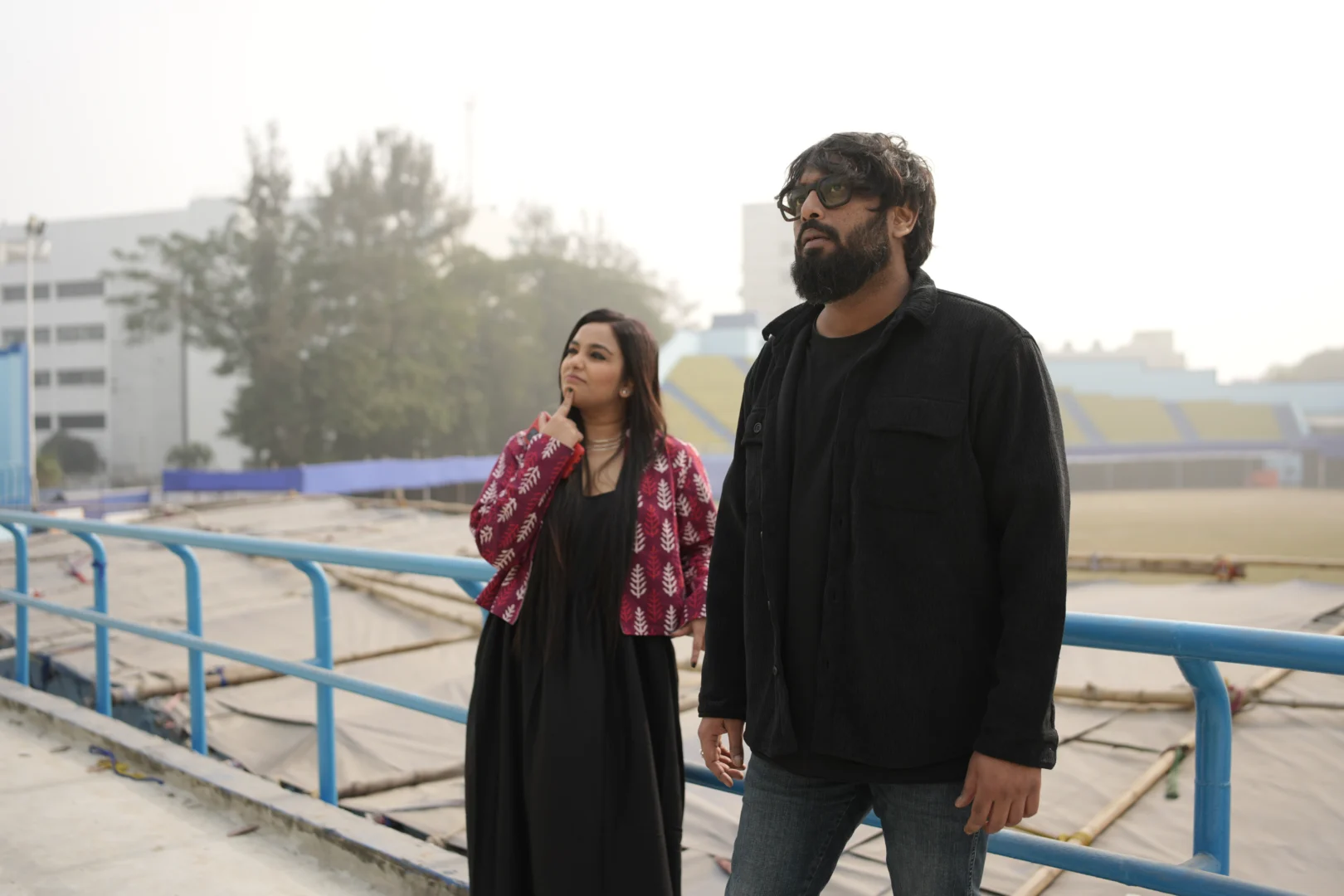
Vocals: Barnini Chakraborty.
Lyricist, Composition & Music: Ayan Mukherjee.
অল্প অল্প
আমি,
অপেক্ষায় পুড়ি,
ওরাও পড়ে, পড়ে
আমার সাথে—
ওরা রোজ,
গায়ে রঙ মাখে,
লালচে আভাস,
কালোর ওপারে।
লালচে আভাস,
কালোর ওপারে।
আমার সাথে— আমার সাথে….
রোজ ব্যর্থ গোনে ওরা
খসে পড়া পাতা গুলো…
অপেক্ষায়
প্রাণ পায় আমার পাশে ।
আমিও……রাখি…
ওদের,হাতে হাত…
নিরুত্তাপ নিশ্বাসে…
রোজ নির্বোধ হই
আমরা এভাবে… এভাবে…
সংলাপ হেটে বেড়ায়
কতকালের গ্রহণে।
আমি ও ওরা,
স্পর্ধার খোঁজ করি।
ভাঙনের আড়ালে
আমাদের ভাঙনের আড়ালে…
অধিকার, ঋণ
সব মিলে মিশে ছাই
মিছিলের আপোষে।
শেষ থেকে শুরু হয়ে,
শুরু থেকে আবার
শেষের পায়ে।
মিলে মিশে ছাই, আপোষে…
ওরা বার বার পোড়ে,
আবার পোড়ে…
আমিও
আমাদের অপেক্ষায়।
অপেক্ষায়।
অল্প অল্প আমি,
অপেক্ষায় পুড়ি,
অল্প অল্প আমি,
অপেক্ষায় পুড়ি…
অল্প অল্প আমি….
অল্প অল্প আমি….
Listen The Music On
Trailer
অপেক্ষায়
Vocals: Barnini Chakraborty.
Lyricist, Composition & Music: Ayan Mukherjee.
In Waiting / Burning in Fragments
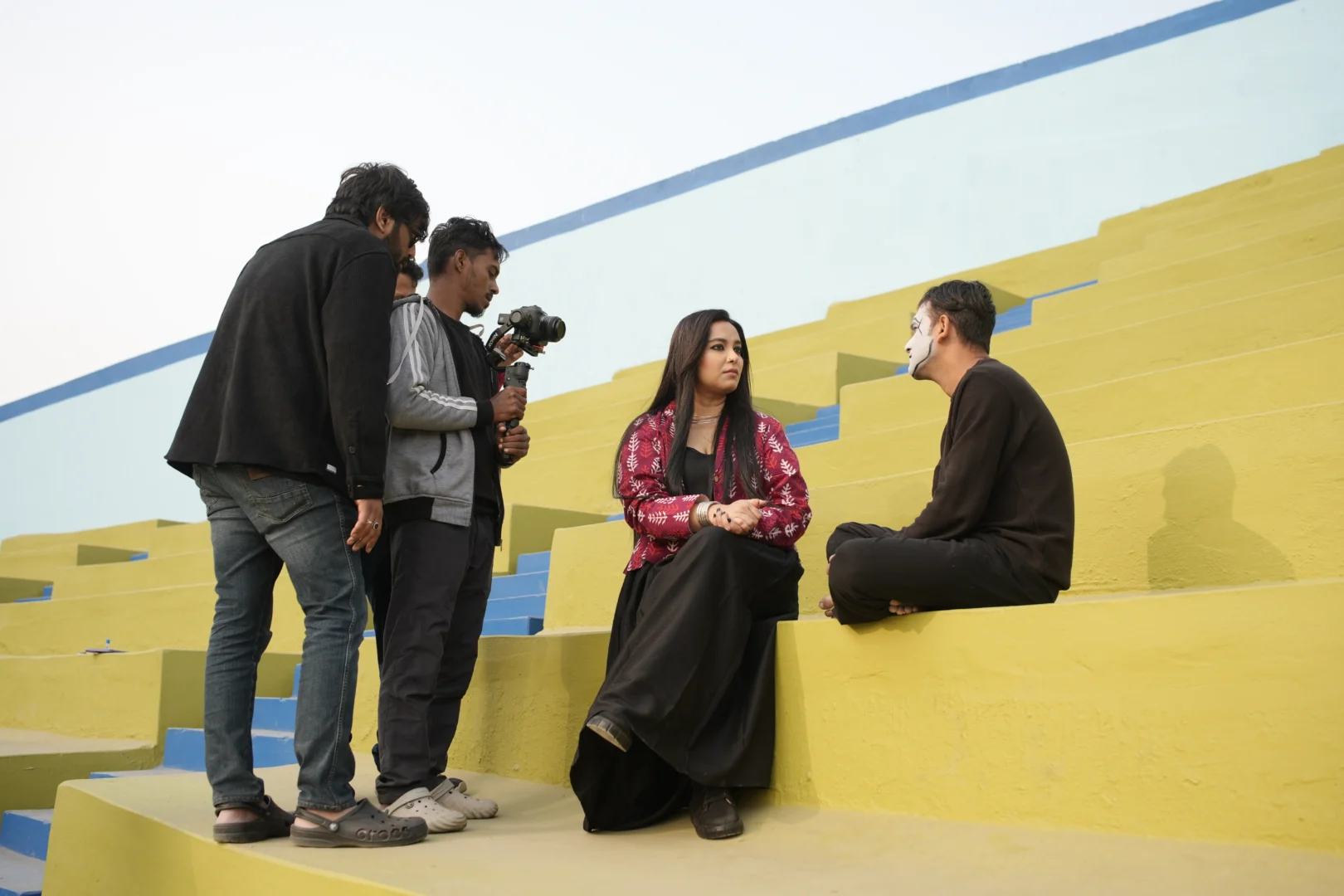
“Opekkhay” unfolds as a quiet yet persistent meditation on waiting, not as a passive act, but as a slow, consuming state of being. The voice within the song does not stand alone; it is not only about a singular voice, but about the many voices that inhabit our times and spaces, lives suspended across different dimensions, each carrying their own reasons to wait. It speaks of people and existences that stretch beyond borders, creeds, and colours, of lives bound by an invisible, shared condition. Within this expanse, the voice exists alongside unnamed presences, “they”, fragments, memories, fallen moments, or perhaps versions of the self that continue to accompany this endurance.
The narrative moves through a landscape where time sheds itself like fallen leaves, counted and recounted in futile rituals. Within this repetition, waiting becomes animate, it breathes, lingers, and grows beside the self, no longer external but deeply embodied. There is an intimacy in this shared existence: a silent holding of hands, a warmth that is almost absent, carried through numb, unresponsive breaths. In this stillness, both the self and the collective drift into a state of quiet surrender, aware, yet unable to step beyond.
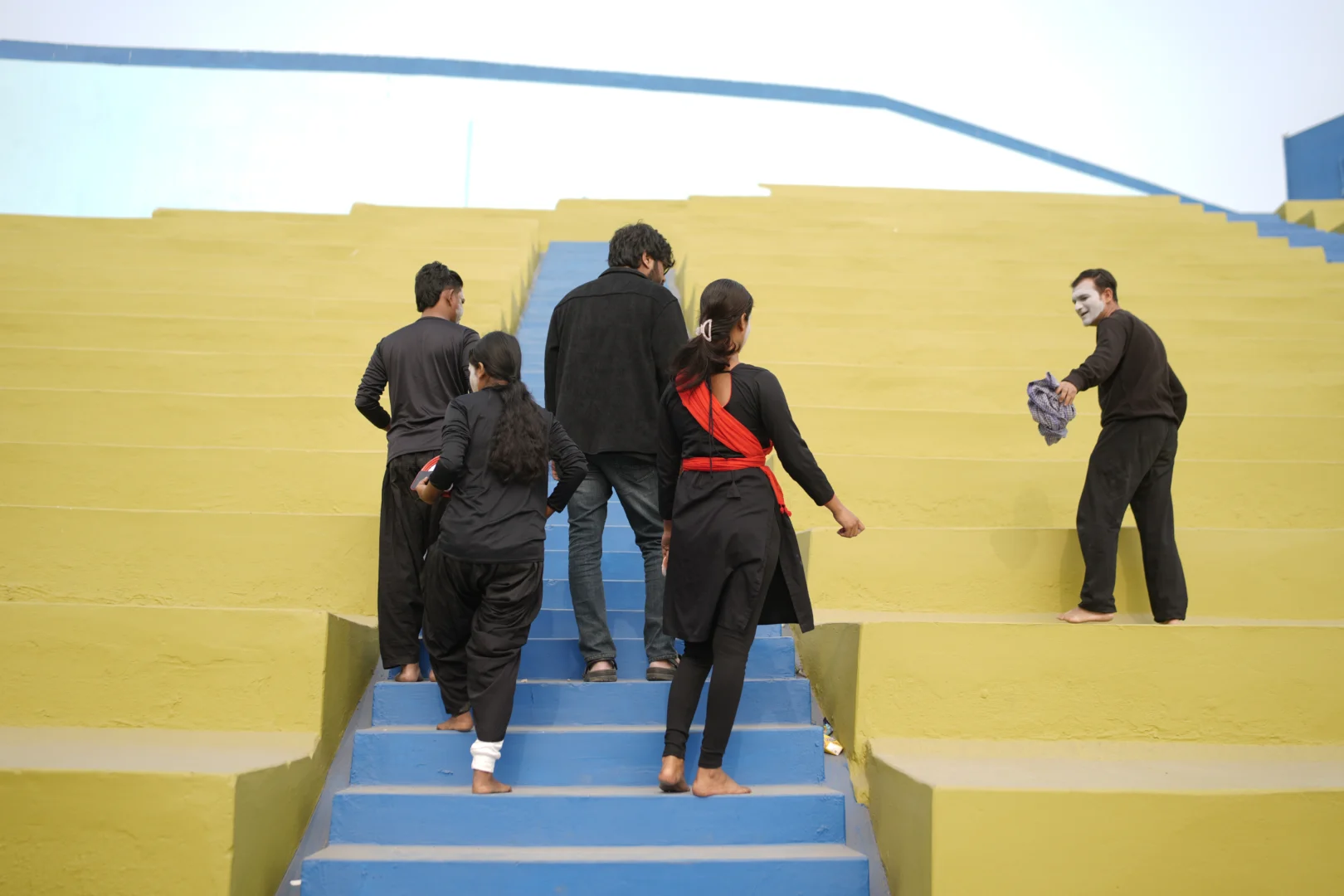
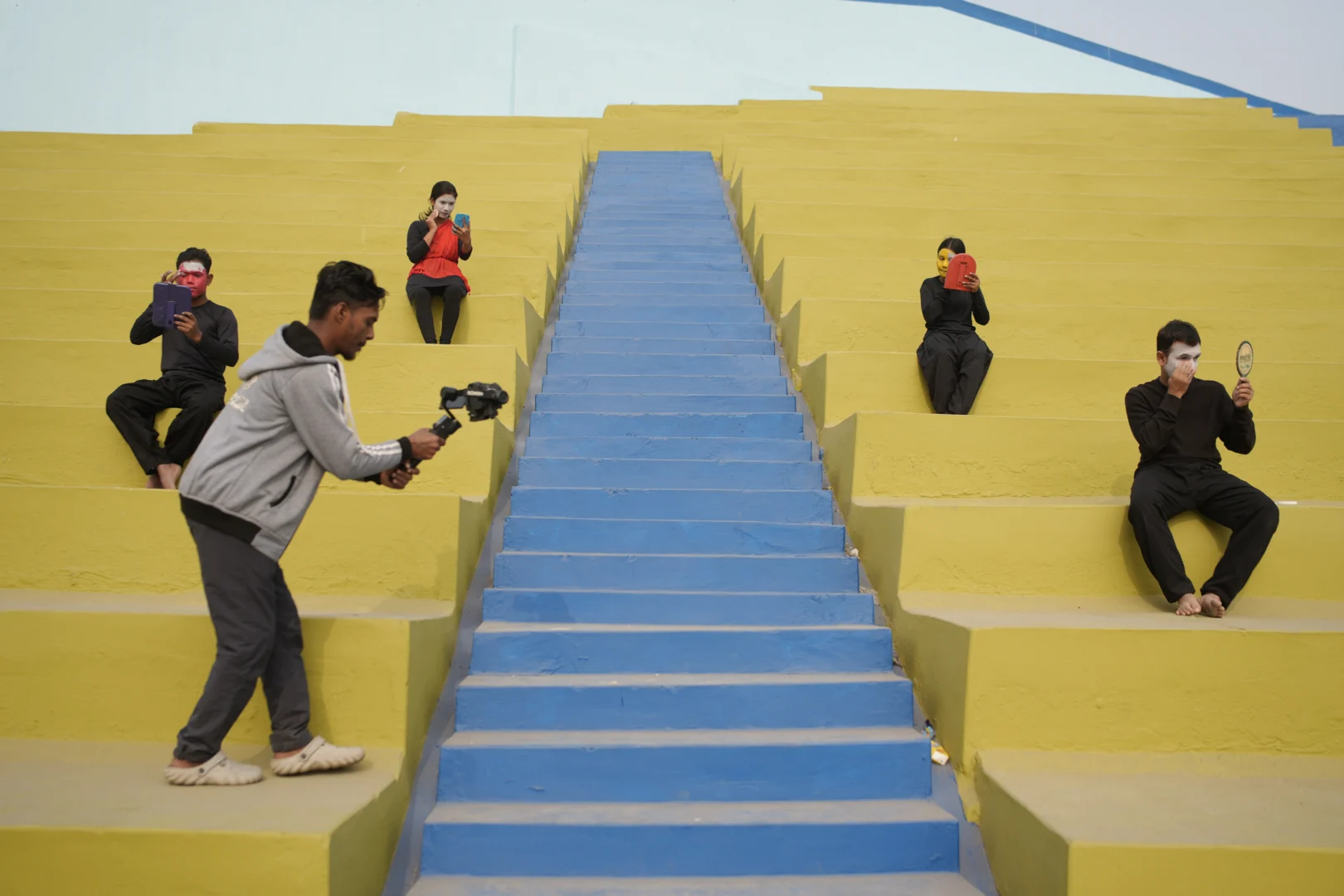
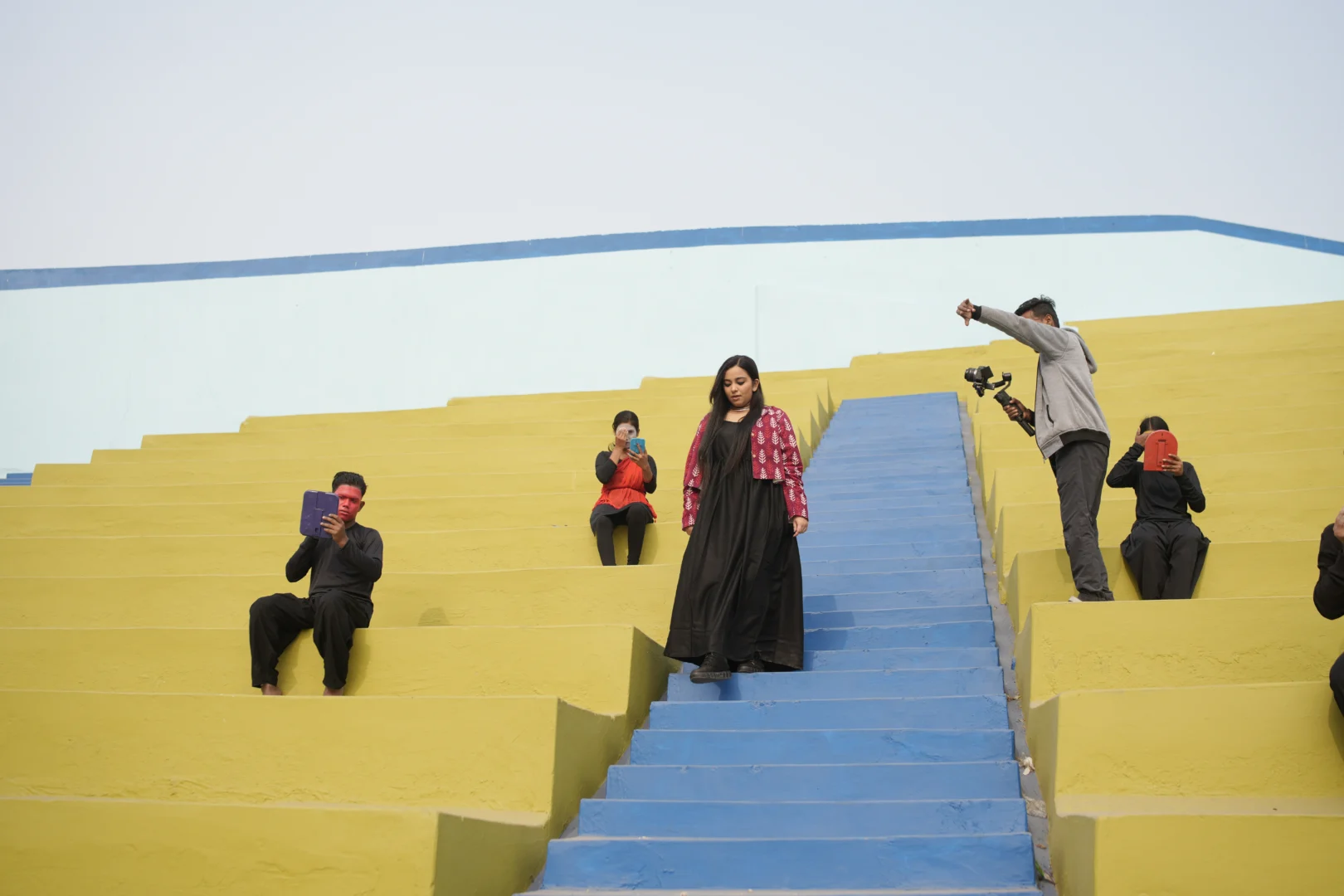
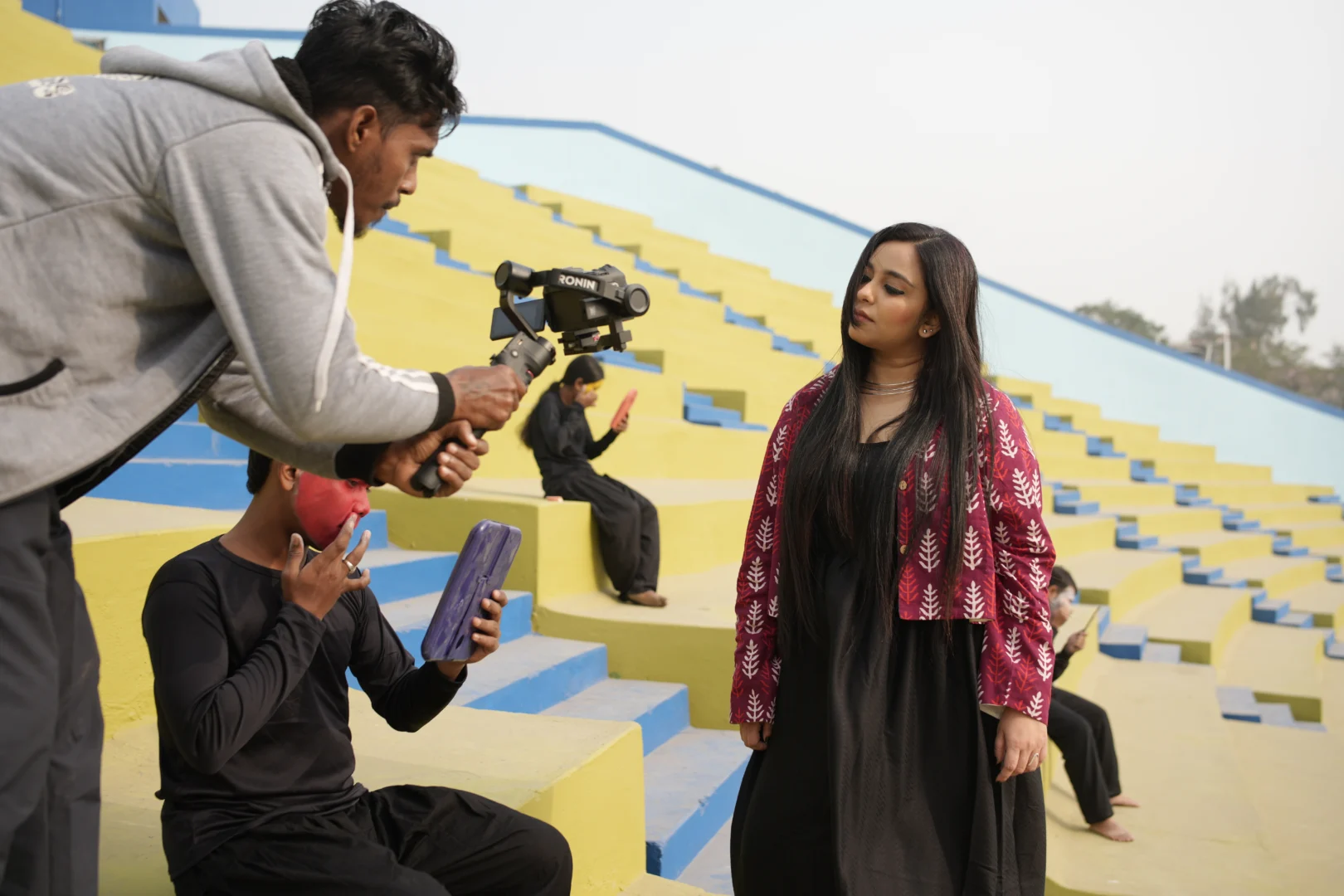
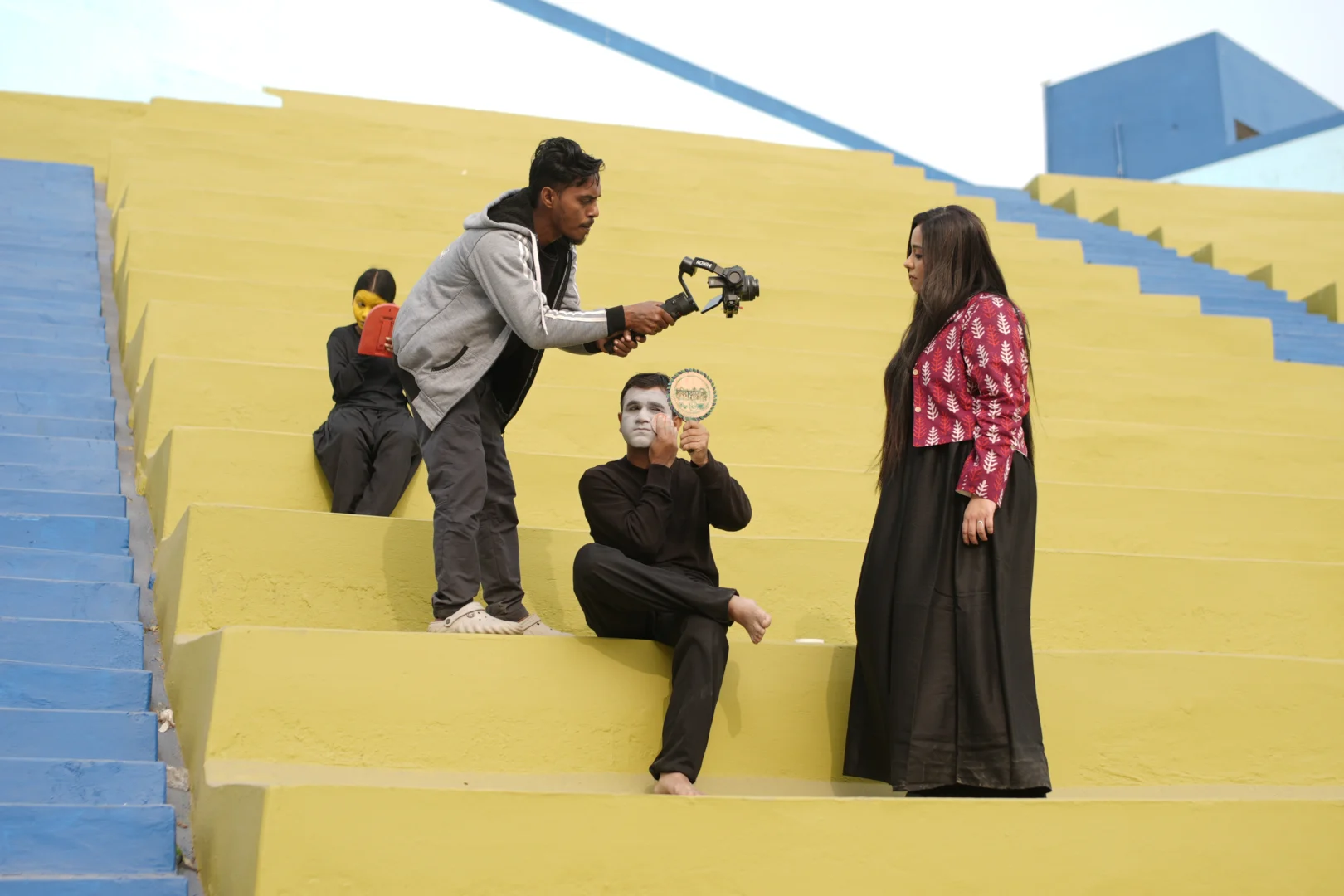
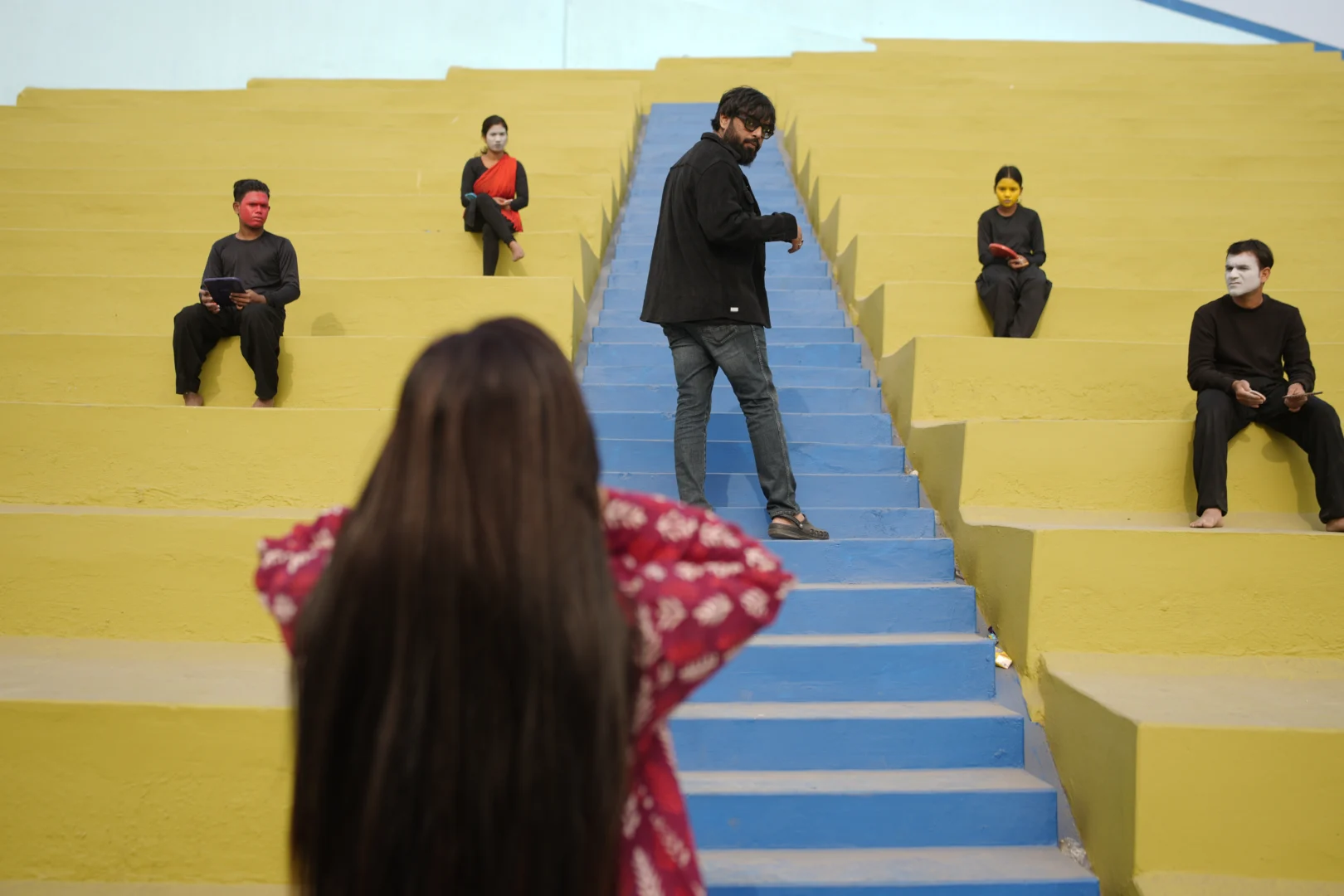
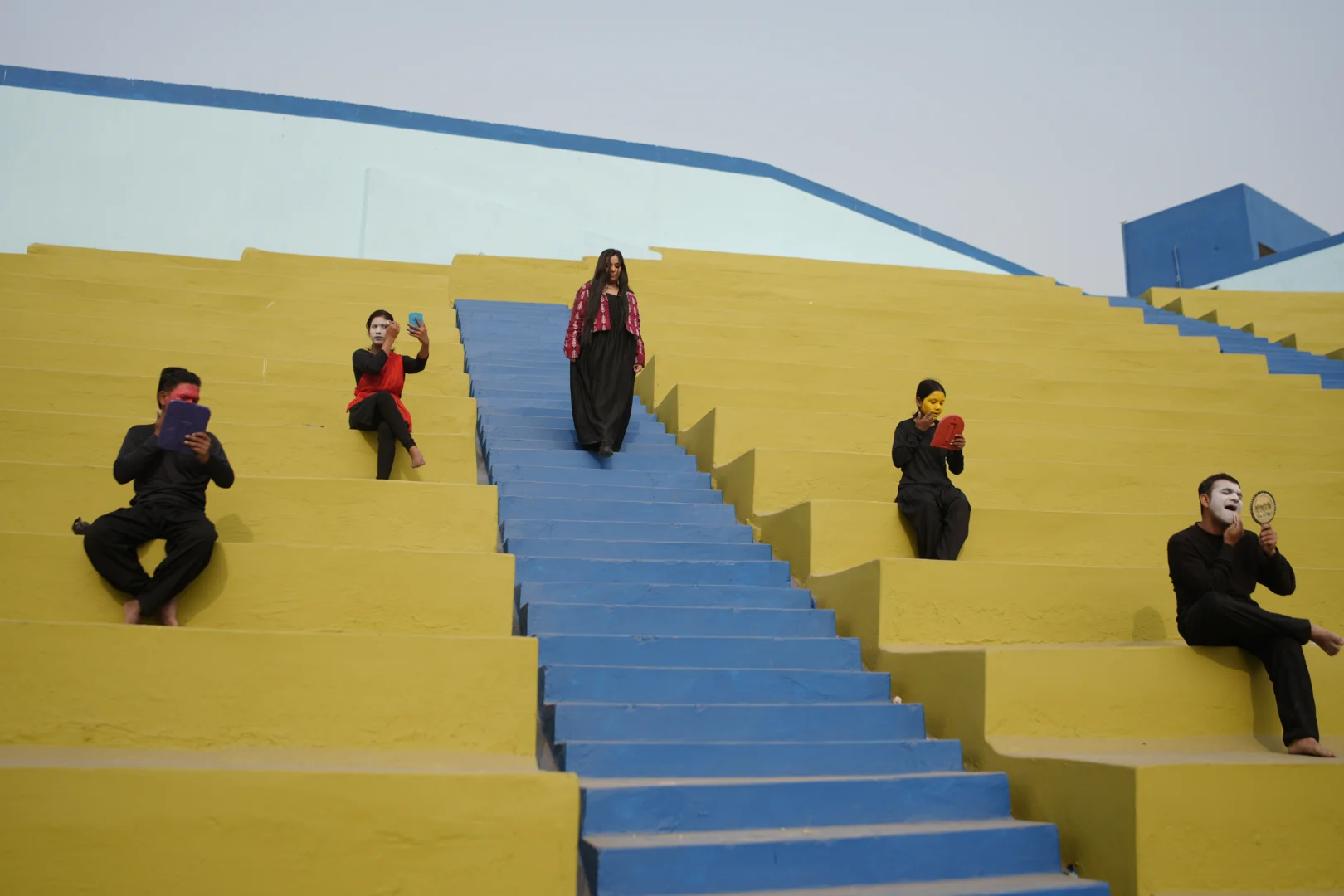
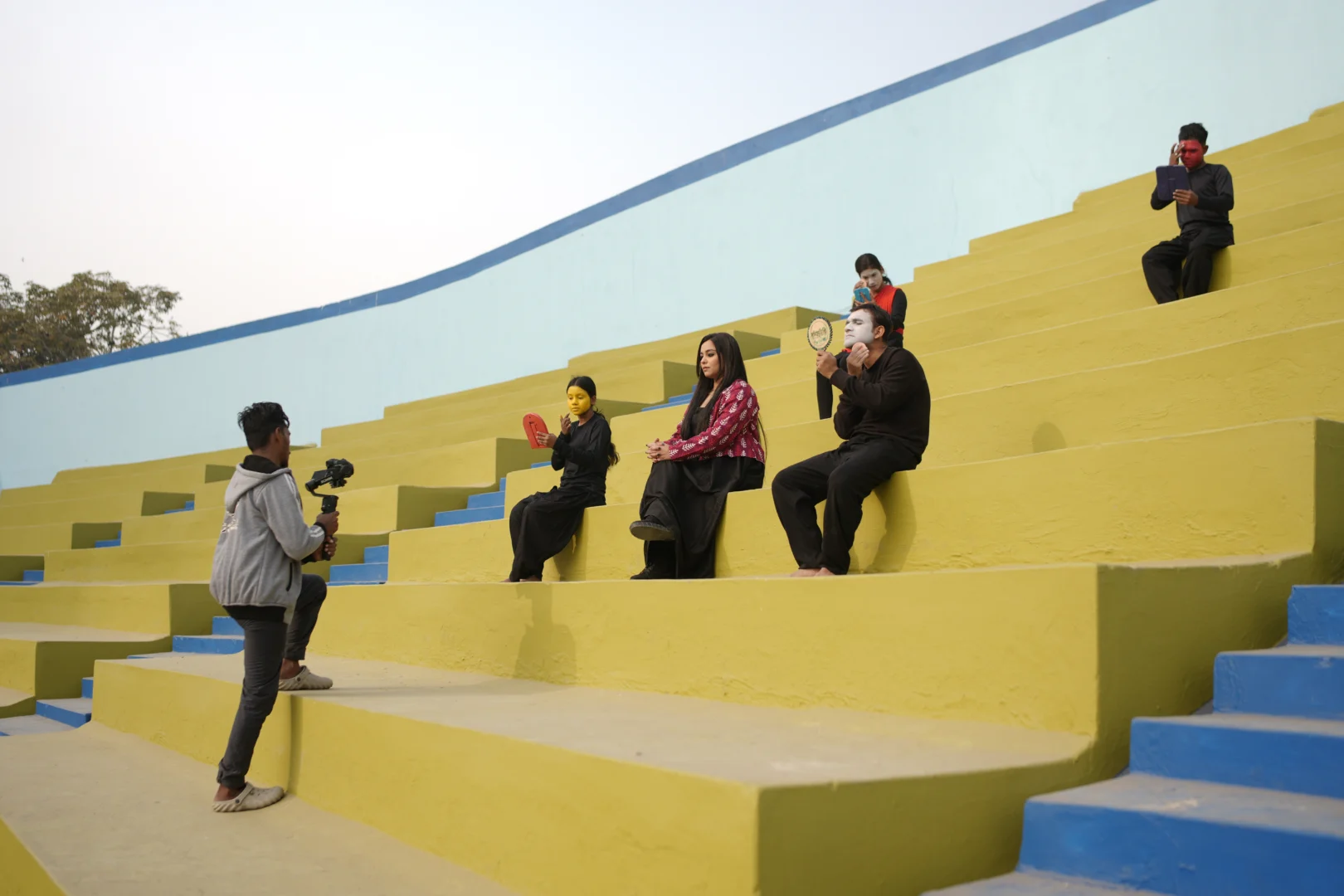
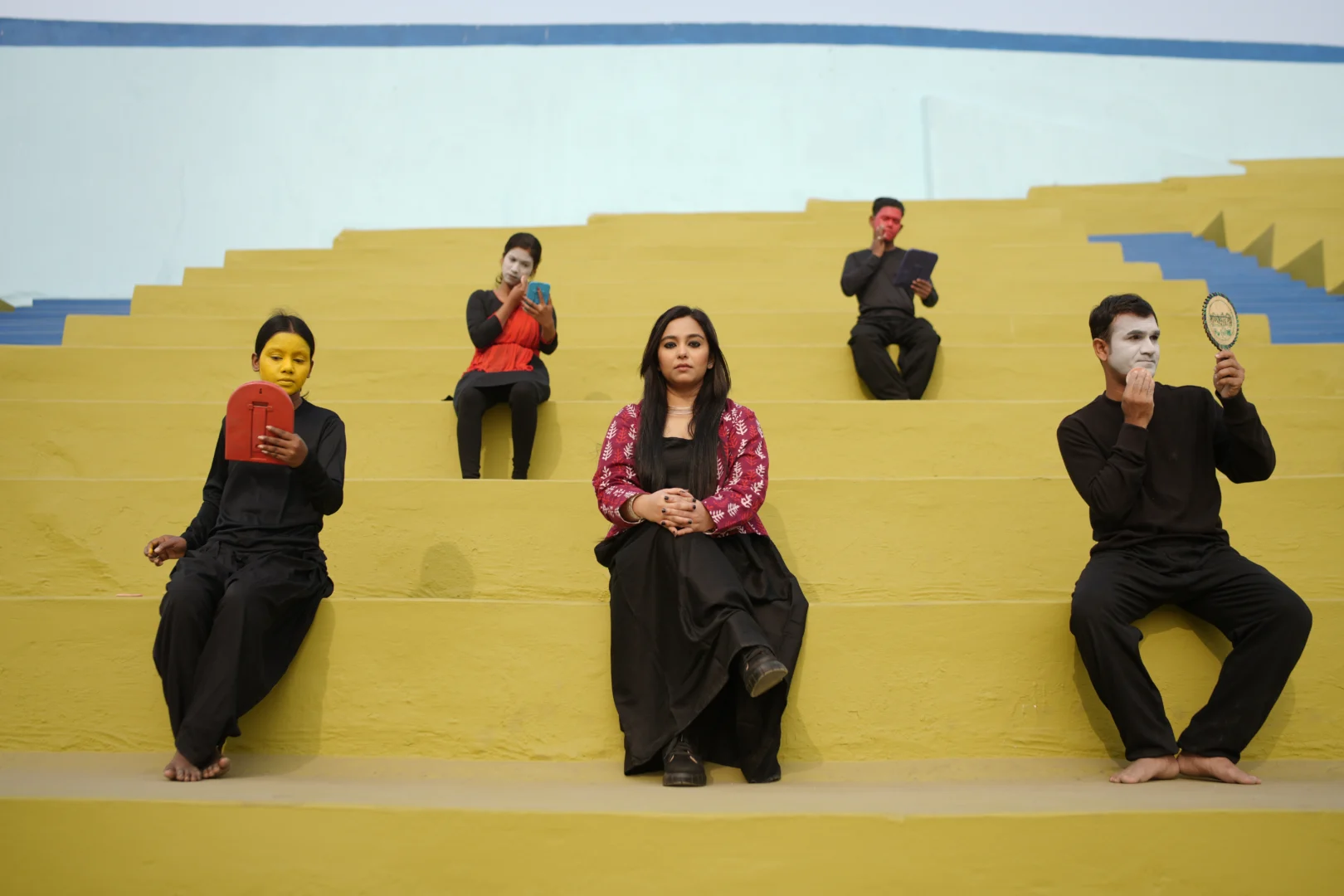
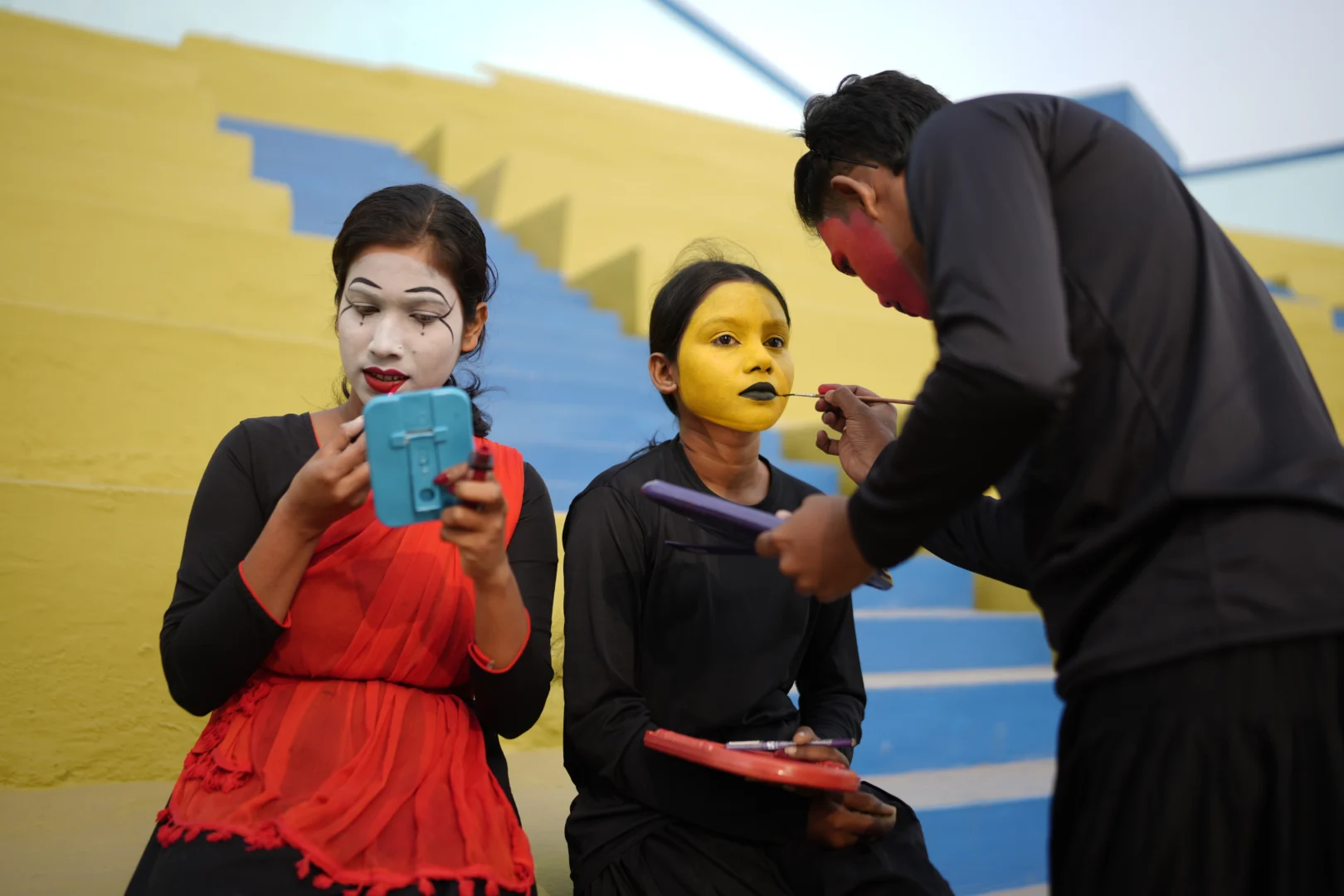
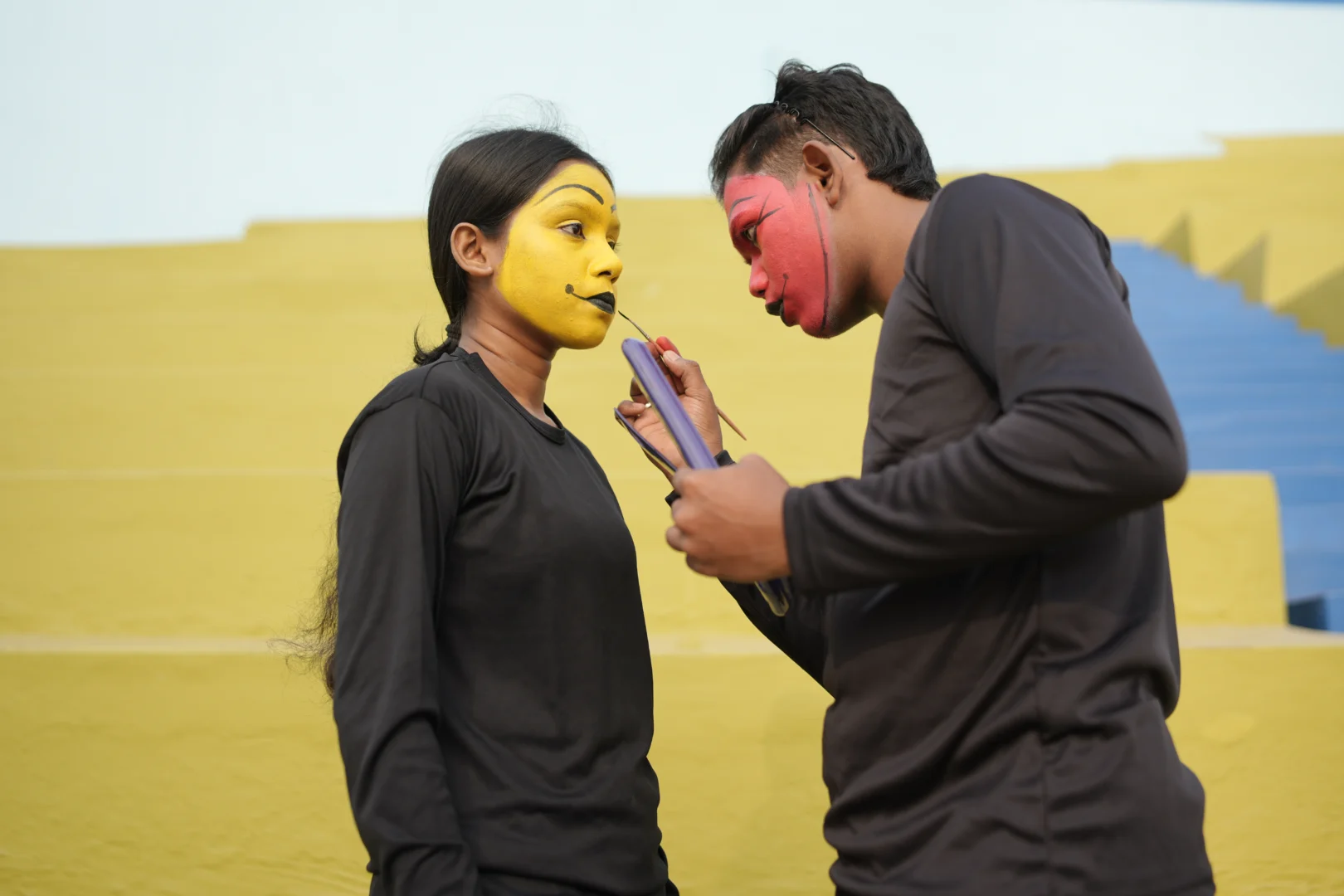
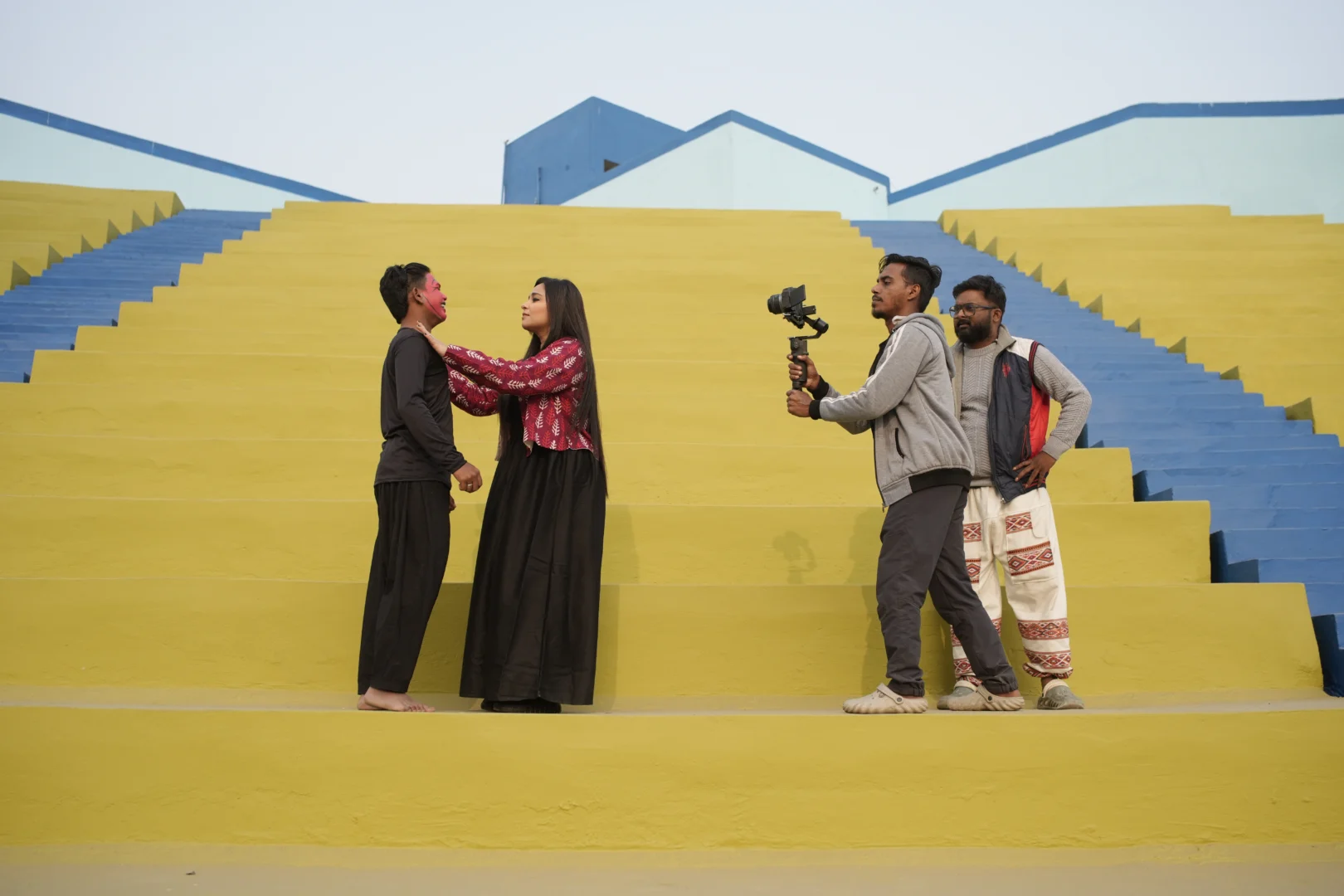
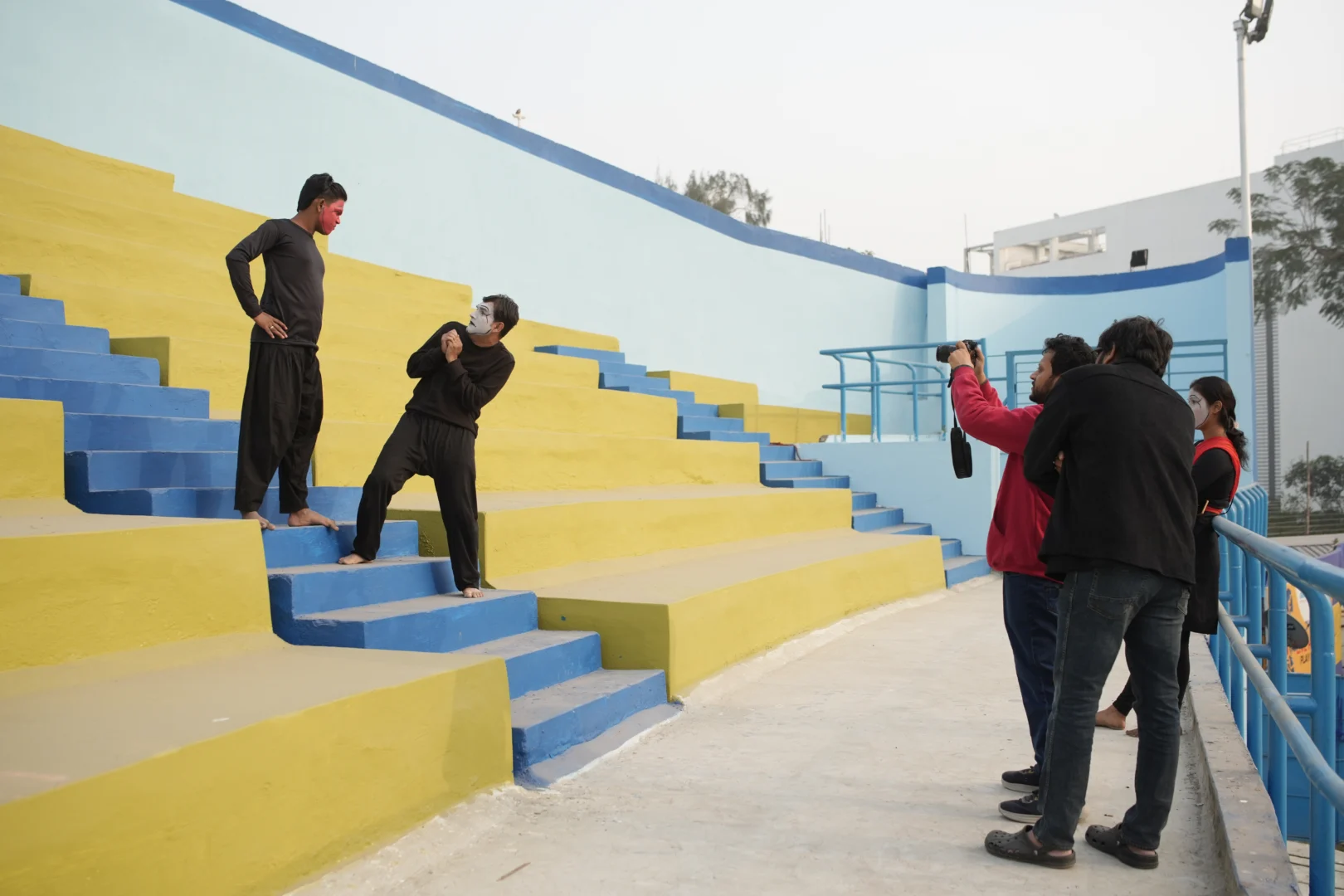
Visually and emotionally, the song resides in a space between red and black, a recurring image that suggests embers beneath darkness, a glow that refuses to extinguish. This interplay becomes a shared emotional terrain, where desire, exhaustion, resistance, and quiet resilience coexist, not just within an individual, but across lives and histories that continue to burn in parallel.
Fragments of forgotten dialogues wander through eclipsed time, searching for defiance, for meaning, for a voice. Yet everything, rights, debts, identities, collapses into ash, dissolving within cycles of compromise and collective submission. The structure itself mirrors this condition: beginning becomes end, and end folds back into beginning, suggesting a loop where histories repeat and waiting renews itself across generations.
The act of burning returns, again and again, not only as destruction, but as persistence. Both the self and these accompanying presences burn, fade, and reignite within the same continuum, held together by an unspoken, shared anticipation.
Ultimately, Opekkhay is not about arrival. It is about inhabiting the threshold, where waiting is no longer something one does, but something one becomes.
Ayan Mukherjee.